
The Allure of Chance
The excitement that comes from gambling is deeply rooted in the human psyche. The thrill of risking money on the possibility of winning a larger sum creates a unique form of adrenaline rush. This phenomenon can be traced back to our evolutionary instincts, where risk-taking behaviors could lead to greater rewards. The unpredictable nature of casino games taps into our natural desire for excitement and uncertainty, drawing players in and keeping them engaged. In states like California, where regulated sportsbooks are not yet available, options for california online sports betting are gaining popularity as residents seek alternative betting experiences.
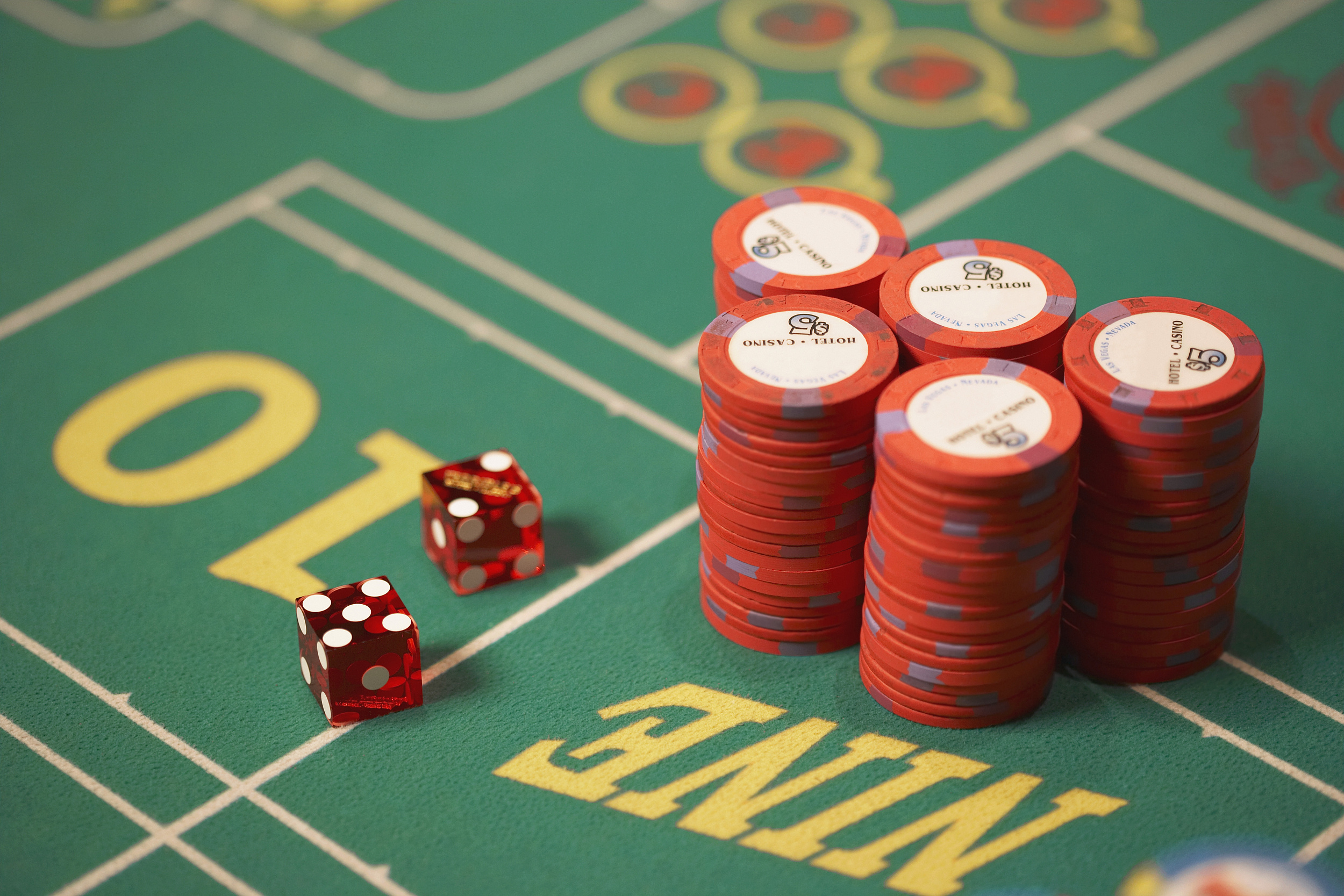
This allure is further enhanced by the design of casino games themselves. Bright lights, sound effects, and immersive environments are all intentional tactics used to heighten the sensory experience. These elements create an atmosphere of anticipation, where players feel their emotions surge with each spin of the wheel or shuffle of the cards. Understanding this psychological manipulation helps explain why players often find it difficult to walk away, even when they are losing.
Cognitive Biases in Gambling
Cognitive biases play a significant role in shaping player behavior at casinos. One of the most prevalent biases is the illusion of control, where individuals believe they can influence the outcome of inherently random games. This belief can lead to overconfidence and increased betting, as players become convinced that they have a strategy that will lead them to victory. Such biases can often cloud judgment, resulting in reckless gambling behavior.
Moreover, the concept of loss aversion — the tendency to prefer avoiding losses over acquiring equivalent gains — is particularly relevant in gambling. Players often chase losses, believing that by continuing to play, they can recover what they lost. This cycle can become detrimental, leading to increased financial strain and emotional distress as players struggle to break free from their compulsion to gamble.
The Role of Social Interactions
The social aspect of gambling significantly influences player behavior. Many individuals enjoy the camaraderie found in casinos, where shared experiences can enhance the excitement of gameplay. The presence of others can create a shared emotional experience that amplifies the pleasure derived from wins and provides comfort during losses. Such social interactions can make players more likely to gamble longer and spend more money, as they seek to maintain the positive social connections they have formed.
Additionally, the impact of peer pressure should not be underestimated. Players may feel compelled to engage in certain betting behaviors or make larger wagers to fit in with their group. This phenomenon is particularly evident in group outings to casinos, where individuals may push each other’s limits, leading to riskier gambling behaviors that they might not engage in alone.
The Impact of Marketing and Environment
Casinos invest heavily in marketing strategies designed to attract and retain players. From promotions to loyalty programs, these incentives are carefully crafted to appeal to the psychological needs of gamblers. For instance, the use of free spins or complimentary drinks can create a sense of generosity and loyalty, encouraging players to continue gambling. This marketing approach often leads players to feel as though they are part of an exclusive club, further enhancing their connection to the casino experience.
The physical environment of a casino also plays a crucial role in shaping player behavior. The layout is often designed to minimize exits and maximize engagement, with the placement of games strategically calculated to draw players deeper into the establishment. The absence of clocks and windows contributes to the feeling of timelessness, as players lose track of the world outside, further encouraging extended play and increased spending.
Conclusion: Understanding Player Behavior
Exploring the psychology behind casino games and player behavior reveals significant insights into why individuals are drawn to and often struggle with gambling. By understanding the interplay of chance, cognitive biases, social influences, and marketing tactics, both players and industry stakeholders can gain a clearer picture of the gambling landscape. Recognizing these psychological factors can promote healthier gambling habits and improve the overall experience for players.
For those looking to delve deeper into the world of gambling psychology and player behavior, our website offers valuable resources and insights. From expert analyses to best practices for responsible gambling, we aim to foster a community that is informed and engaged in the complexities of casino gaming. Join us as we explore this captivating realm together.